Address
Ground Floor 1 Waterhouse
Century Blvd Century City Cape Town
Work Hours
Monday to Friday: 9AM - 5PM
Saturday: 09AM - 4PM
Address
Ground Floor 1 Waterhouse
Century Blvd Century City Cape Town
Work Hours
Monday to Friday: 9AM - 5PM
Saturday: 09AM - 4PM

NON-SURGICAL · 5 MIN READ
A balanced, evidence-based perspective on botulinum toxin — what it does, what it does not do, and who
should administer it.
Botulinum toxin — commercially available under names including Botox, Dysport, and Xeomin — is the most widely administered cosmetic treatment in the world. Despite its ubiquity, it remains frequently misunderstood by patients who encounter it through social media or casual conversation. This article provides a clinically grounded overview of what botulinum toxin actually does and how it fits within a considered aesthetic care programme.
Botulinum toxin is a neuromodulator — it temporarily inhibits the release of acetylcholine at the neuromuscular junction, preventing muscular contraction. When injected into specific facial muscles, this selectively reduces the repetitive movements that create dynamic wrinkles (lines formed by expression, not by volume loss). The effect is dose-dependent, reversible, and typically lasts three to five months depending on the area treated, the product used, and individual metabolism.
Botox done well is invisible. The goal is always to look refreshed and natural — not frozen, not surprised.”
An honest aesthetic consultation includes clarity on the limits of any treatment. Botulinum toxin does not address volume loss (which requires dermal fillers or fat transfer), skin laxity (which may require energy-based treatments or surgical lifting), deep static wrinkles (present at rest), or pigmentation concerns. Recognising the specific concern and selecting the appropriate treatment is fundamental to good aesthetic medicine.
In South Africa, botulinum toxin is a prescription medicine and should be administered only by a registered medical practitioner with appropriate training in facial anatomy and aesthetic medicine. The HPCSA has issued guidance emphasising that cosmetic injectables fall within the scope of medical practice and that practitioners must meet recognised standards of training and competency.
When selecting a provider in Cape Town, prioritise:
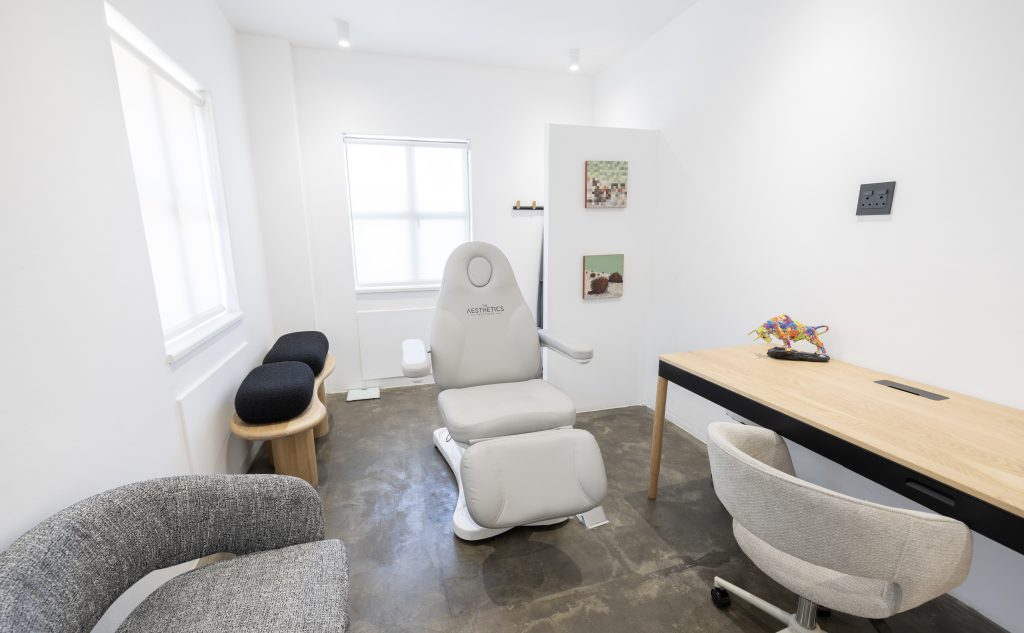
At Dr. Najjaar’s practice in Cape Town, botulinum toxin is offered as part of a broader aesthetic medicine programme. Rather than treating isolated lines in isolation, the approach considers the full facial architecture, the patient’s skin quality, and their long-term aesthetic goals. This may include combining neuromodulators with skin treatments, hydration therapy, or planning for future surgical procedures.
Begin your consultation with Dr. Najjaar
Cape Town aesthetic breast surgery
